
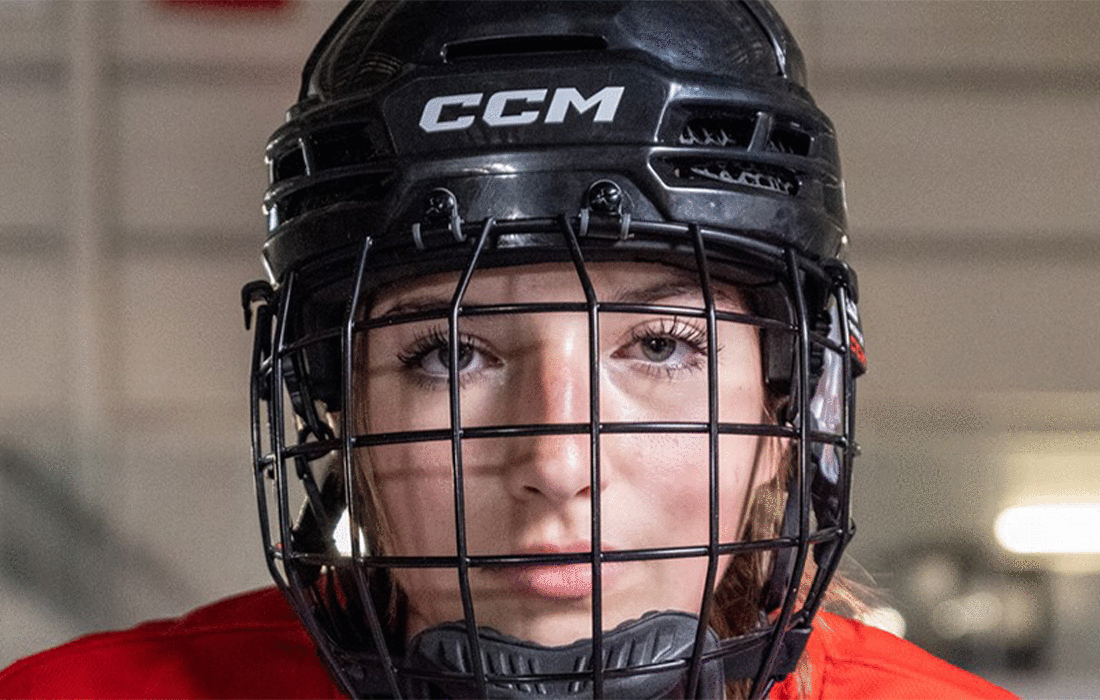
Guide - How often should you replace your hockey helmet?
Regularly replacing your hockey helmet is crucial to ensure it continues to provide optimal protection. Here are some guidelines for when you should consider replacing your hockey helmet.
- Secure payment by card
- E-mail us, we reply swiftly!
Description
After a Significant Impact or Accident: If your helmet has been involved in a substantial impact or accident, it's essential to replace it immediately. Even if there are no visible damages, the structural integrity of the helmet may be compromised.
Helmet Age: For all players, it is recommended to replace the hockey helmet every season or, at most, every other season. This is especially important for growing players, as a helmet that fit well in the past may no longer offer adequate coverage.
Signs of Wear: Regularly inspect your helmet for signs of wear. Cracks, dents, or any indications that the helmet is losing its structural integrity are clear signals that it's time for a replacement.
Inadequate Adjustment: If, even after maximum adjustment of straps and fit, the helmet does not sit securely and comfortably on your head, it may be an indication that it no longer fits properly and needs to be replaced.
Updates to Safety Standards: Stay informed about any updates to safety standards or certifications for hockey helmets. If there are new requirements, consider upgrading to a helmet that meets the latest safety guidelines.
Investing in a high-quality hockey helmet and adhering to these guidelines for replacement will help ensure your safety on the ice. Remember, a well-maintained and up-to-date helmet is a key component in preventing injuries during your hockey training.
Helmet Age: For all players, it is recommended to replace the hockey helmet every season or, at most, every other season. This is especially important for growing players, as a helmet that fit well in the past may no longer offer adequate coverage.
Signs of Wear: Regularly inspect your helmet for signs of wear. Cracks, dents, or any indications that the helmet is losing its structural integrity are clear signals that it's time for a replacement.
Inadequate Adjustment: If, even after maximum adjustment of straps and fit, the helmet does not sit securely and comfortably on your head, it may be an indication that it no longer fits properly and needs to be replaced.
Updates to Safety Standards: Stay informed about any updates to safety standards or certifications for hockey helmets. If there are new requirements, consider upgrading to a helmet that meets the latest safety guidelines.
Investing in a high-quality hockey helmet and adhering to these guidelines for replacement will help ensure your safety on the ice. Remember, a well-maintained and up-to-date helmet is a key component in preventing injuries during your hockey training.